Table of Contents
•Introduction: That Gut-Wrenching Moment Your Perfect Sample Turns into a Production Nightmare
•The Wash Catastrophe: Why Your T-Shirts Shrink, Twist, and Bleed
•The Print Breakdown: When Your Killer Graphic Cracks and Fades
•The Fit Disaster: How Inconsistent Sizing Kills Customer Trust
•The Real Fix: Partnering with a Pro Streetwear Manufacturer
•Frequently Asked Questions (FAQ)
•References
That Gut-Wrenching Moment Your Perfect Sample Turns into a Production Nightmare
Let's get real for a second. You've spent months perfecting a design. The sample you approved was flawless—the fabric felt amazing, the fit was exactly what you envisioned, and the print was crisp. You gave the green light for a 5,000-piece order, picturing the flood of five-star reviews. Then the bulk order arrives. You open the first box, and your stomach drops. The t-shirts feel… different. The fit is off. And after one wash, your DMs are flooded with pictures of shrunken, twisted garments and cracked prints.
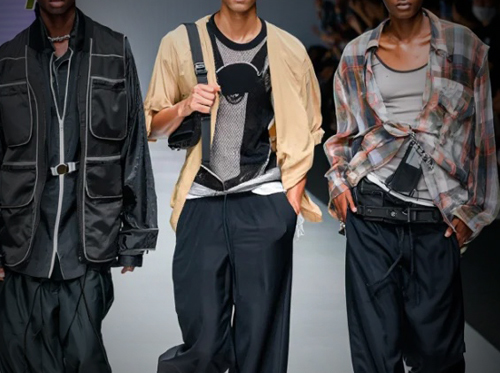
This isn't just a bad dream; it's a scenario I've seen play out for countless streetwear brands. The jump from a perfect sample to a consistent bulk run is where most brands stumble. It's a minefield of technical challenges that can sink a collection before it even has a chance.
I once worked with a brand that had a viral design for an oversized hoodie. The golden sample was perfect—heavyweight, soft, with a flawless drape. They placed a 10,000-unit order. The factory, a general-purpose apparel maker, switched to a slightly cheaper fabric to improve their margin, assuming no one would notice. The result? Half the shipment was returned because the hoodies shrank two sizes and the fabric felt stiff after one wash. The brand's reputation took a massive hit, all because of a preventable production shortcut.
The problem isn't your design; it's the gap between your vision and the factory's execution. This article is for the brand owner who's tired of inconsistent results. We're going to break down the three biggest failure points in bulk production—wash, print, and fit—and talk about how to actually solve them.
The Wash Catastrophe: Why Your T-Shirts Shrink, Twist, and Bleed
A garment's stability after washing is determined by fabric quality, pre-production testing, and the manufacturer's control over finishing processes. Without rigorous testing for shrinkage, twisting, and colorfastness before cutting, brands risk delivering products that deform and lose color after the first wash, leading to widespread customer dissatisfaction and returns.
Ever had a customer complain that their new favorite hoodie is now a crop top after one wash? Or that the side seams of their t-shirt now wrap around their stomach? This is the wash catastrophe, and it's one of the most common—and damaging—production failures. It happens because the fabric wasn't properly prepared or tested for the stresses of a home laundry machine.
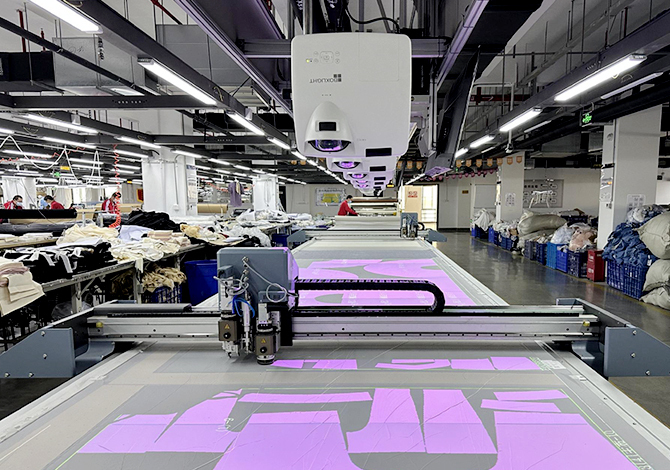
Let's talk specifics. Fabric shrinkage is a huge issue, especially with natural fibers like cotton. A standard 100% cotton knit fabric can shrink anywhere from 5-7% if it's not treated correctly . For a t-shirt that's 75cm long, that's a loss of over 5cm, easily changing a size Large into a Medium.
A professional manufacturer mitigates this by using pre-shrunk fabric or by applying a finishing process called "compaction" to mechanically shrink the fabric before it's even cut. They will perform a wash test (often following ISO 6330 standards) on a fabric swatch, mark out a square, wash it, and then measure the shrinkage percentage. If a fabric shrinks 5%, they know to adjust the pattern to be 5% larger, so the final garment is the correct size after washing. A factory that isn't specialized in high-quality knits might not even have the equipment or knowledge for this. They just cut and sew. The result? Your customers pay the price.
Then there's twisting, or skewing. This is when the garment's side seams rotate around the body after washing. It's a dead giveaway of a low-quality knit. This is usually caused by unbalanced tension in the yarn during the knitting process. A good manufacturer has tight controls during knitting and uses finishing processes to relax the fabric. They'll also check for this during their fabric testing phase. A cheaper factory? Not so much. They prioritize speed and output, and you end up with t-shirts that look like they've been through a wrestling match. This isn't just an aesthetic issue; it makes the garment uncomfortable and feel cheap.
Finally, there's colorfastness. This is a measure of how well the fabric's color holds up to washing, rubbing, and sunlight. A low colorfastness rating (typically below 4 on a 1-5 scale for rubbing) means the dye will bleed in the wash or, even worse, rub off on a white couch or other clothes . This is especially critical for the bold, saturated colors common in streetwear. A professional manufacturer will conduct crocking (rub) tests and wash tests on the bulk fabric to ensure the colors are locked in. They can even test for colorfastness to perspiration. This isn't an optional step; it's fundamental to producing a quality garment that people can trust to wear.
The Print Breakdown: When Your Killer Graphic Cracks and Fades
Print durability depends entirely on the correct ink formulation and, most importantly, a precise curing process. When a print cracks or peels, it's almost always because the ink didn't reach the exact temperature required to bond with the fabric, a failure often caused by improper equipment or rushed production schedules.
Your graphic is the heart of your design. It's what makes someone stop scrolling and say, "I need that." So when that graphic cracks, peels, or fades after a few wears, it's a total betrayal of your brand's promise. This is the print breakdown, and it's usually a problem of chemistry and heat. Specifically, it's a failure in the ink curing process.
Most streetwear uses plastisol ink, which is popular for its vibrant colors and opacity on dark garments. Plastisol doesn't "dry" like paint; it has to be "cured." This means the entire layer of ink needs to reach a specific temperature—usually around 320°F (160°C)—for the PVC resins in it to fuse together and form a permanent, flexible layer . If it's undercured, the ink will feel dry to the touch but will wash out or crack almost immediately. If it's overcured, it can become brittle.
Here's where things go wrong in bulk production. A factory trying to rush an order might speed up its conveyor dryer. The surface of the ink gets hot, but the heat doesn't penetrate through the entire ink layer. The print passes a visual check, but it's a ticking time bomb.
I've seen this happen with a brand that did a huge run of black hoodies with a large white back print. The factory rushed the curing to meet a deadline. The hoodies looked great in the box, but after the first wash, the white ink started flaking off in chunks. The brand had to recall the entire batch, a devastating financial and reputational blow.
A simple stretch test—gently pulling the fabric where it's printed—can reveal an undercured print. If you see fine cracks appearing in the ink, it wasn't cured properly. A professional factory doesn't guess; they use tools like donut probes or laser thermometers to check that the entire ink film reaches the target temperature.
Water-based inks, which offer a softer feel and are more environmentally friendly, have their own challenges. They need both heat and airflow to first evaporate the water and then cure the pigment into the fabric. If the humidity in the factory is too high or the dryer doesn't have proper ventilation, the water gets trapped, and the ink never fully bonds. This is why a manufacturer's equipment and environment are just as important as their skill. A top-tier factory has calibrated conveyor dryers with forced air systems, temperature guns, and a systematic process for testing every batch. They understand the science behind the art.
The Fit Disaster: How Inconsistent Sizing Kills Customer Trust
Consistent fit across a production run is achieved through precise digital patterns, strict adherence to measurement tolerances, and a robust quality control system like AQL. When sizes vary wildly within the same batch, it's a direct failure of pattern grading and a lack of in-line measurement checks during production.
Nothing destroys customer trust faster than inconsistent sizing. Imagine a customer buys a size Medium hoodie and it fits perfectly. They come back a month later, buy another Medium in a different color, and it's either way too tight or ridiculously oversized. They're not going to blame the factory; they're going to blame your brand. This is the fit disaster, and it stems from two main areas: pattern grading and production drift.
Pattern grading is the process of taking your approved sample size (usually a Medium) and scaling it up or down to create the other sizes in your range. In the past, this was done manually with paper patterns, which was prone to errors. Today, professional factories use digital software like Gerber or Lectra to create grade rules. However, if those rules are off, or if a factory cuts corners, the proportions can get distorted. An extra-large might just be wider, not longer, resulting in a boxy, unflattering fit.
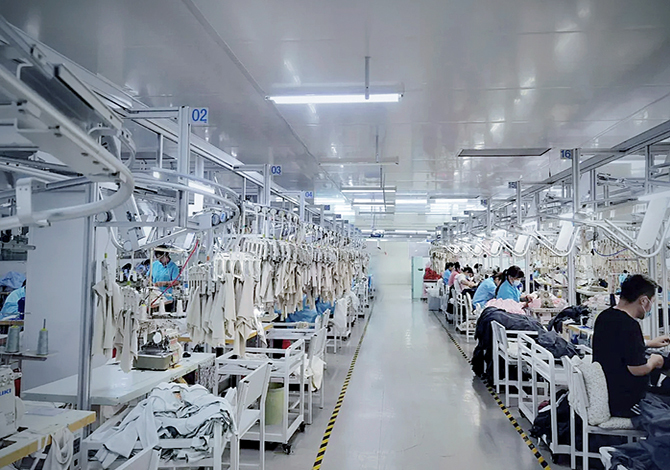
Even with perfect patterns, fit can drift during a large production run. This is where measurement tolerances and quality control come in. A tech pack should specify not just the target measurements for each point of measure (POM), but also the acceptable tolerance—for example, a chest measurement might have a tolerance of +/- 1 cm . Without this, the definition of a "correct" measurement is left up to the factory. This "drift" can happen for many reasons: the fabric stretches slightly during cutting, a sewer is a little off, or the patterns themselves get distorted. Over thousands of units, these tiny deviations add up.
To enforce this, a good manufacturer uses a system called Acceptable Quality Level (AQL). Instead of checking every single garment (which is too slow and expensive), inspectors pull a random sample from the batch and check them against the tech pack. For major defects (like a measurement being out of tolerance), most brands use an AQL of 2.5. For minor defects (like a loose thread), they might use an AQL of 4.0 . This system sets a clear, statistically valid limit for how many defects are acceptable. If the sample fails, the whole batch is held back for 100% inspection and re-work. This prevents inconsistent products from ever leaving the factory. Factories that don't use AQL are essentially flying blind, and your brand is taking all the risk.
The Real Fix: Partnering with a Pro Streetwear Manufacturer
So how do you avoid these disasters? The answer isn't to become a production expert overnight. It's to find a partner who already is. The problems of wash, print, and fit are all symptoms of the same root cause: working with a generalist factory that doesn't have the specific expertise required for high-quality streetwear. A true streetwear-focused manufacturer isn't just a sewing facility; they are a technical partner who manages these risks for you.
They have in-house or third-party lab testing to validate fabric performance before a single yard is cut. They have the right curing equipment and the technical knowledge to match the ink and process to your specific design and fabric. They operate on a system of digital patterns, clear tolerances, and rigorous AQL inspections. They understand that consistency is the foundation of a strong brand.
Finding such a partner can be a challenge, which is why many brands turn to curated lists and resources to find vetted factories. For instance, a comprehensive guide to the top streetwear clothing manufacturers(https://www.groovecolor.com/blog/TOP-10-Streetwear-Clothing-Manufacturers-in-2026-The-Definitive-Guide-for-Growth-Focused-Brands_b19116 ) can be an invaluable starting point for identifying partners who have already been vetted for their quality control, technical capabilities, and experience with brands at a similar stage of growth. These resources save you the time and risk of sorting through thousands of factories on your own.
Ultimately, stabilizing your production results means shifting your mindset from finding the cheapest supplier to investing in a reliable production partner. The small premium you might pay for a specialized streetwear manufacturer ( https://www.groovecolor.com/ ) is an investment in your brand's reputation, customer loyalty, and long-term success. It's the difference between building a brand that lasts and one that's remembered for its cracked prints and shrunken hoodies.
文章来源:w2solo